
Thailand Travel Information
Practical information for visiting Thailand in 2026, including entry requirements, money, weather, health, local customs and emergency numbers.
Thailand is generally a welcoming and straightforward country to visit. A little preparation will help, particularly with entry requirements, the weather, transport and local customs. This guide covers the main things worth knowing before you arrive.
Before travelling: Check the entry rules for your passport and complete the free Thailand Digital Arrival Card within the three days before you arrive. Entry requirements can change, so check with an official Thai embassy or consulate before travelling.
More Thailand Information

Thailand Quick Facts
- Official name: Kingdom of Thailand
- Capital: Bangkok
- Population: approximately 72 million
- Area: approximately 513,000 square kilometres
- Language: Thai
- Currency: Thai baht (THB)
- Time: UTC/GMT +7 throughout the year
- Electricity: 230V, 50Hz
- Country telephone code: +66
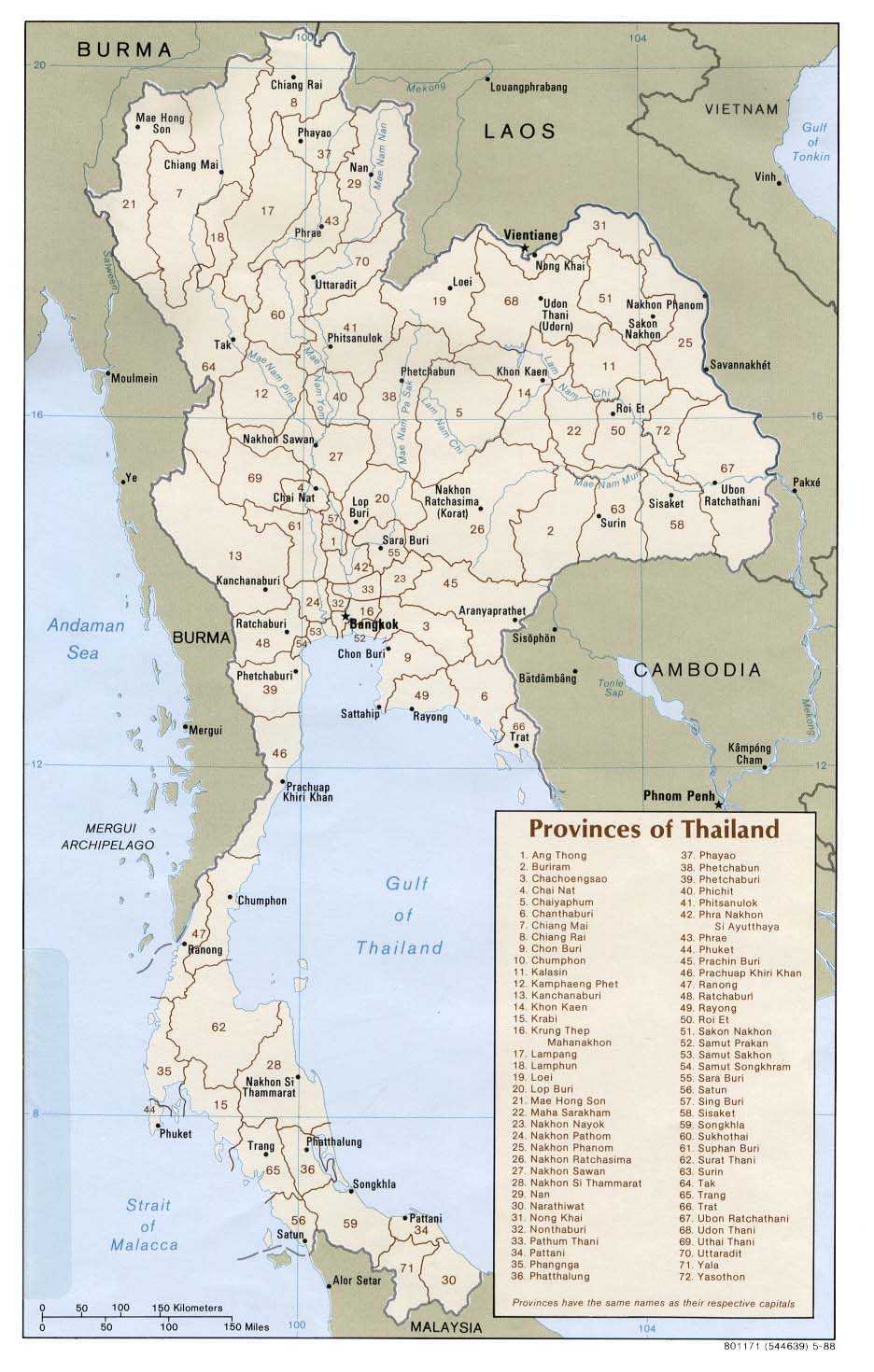
Thailand shares borders with Myanmar, Laos, Cambodia and Malaysia. It has 76 provinces, while Bangkok is administered separately at the same level as a province.
The country includes the mountains of the north, the farming areas of the central plains, the northeastern region known as Isan, and the southern peninsula with its islands and tropical beaches.
Thai is the official language. English is commonly used in major tourist areas, hotels and larger businesses, but it is not spoken everywhere. Learning a few Thai words is always appreciated.
Entry Requirements and the Thailand Digital Arrival Card
The entry conditions for Thailand depend on your passport, the purpose of your visit and how long you intend to stay. Some travellers can enter without arranging a visa in advance, while others need a visa or e-Visa before travelling.
Visa exemption periods and eligible nationalities can change. Check the current requirements with a Royal Thai Embassy, Thai Consulate or the official Thai e-Visa website before booking your trip.
Thailand Digital Arrival Card
Most foreign visitors entering Thailand by air, land or sea must complete a Thailand Digital Arrival Card, commonly called the TDAC. It replaces the old paper arrival card.
- Submit it within the three days before your arrival date.
- Use the official website at tdac.immigration.go.th.
- The official TDAC is free.
- You will need your passport, travel details and address in Thailand.
- Keep a digital or printed copy of the confirmation.
Be careful with unofficial websites that resemble the government website and charge a submission fee.
Make sure your passport is valid for the period required for your journey. Airlines and immigration authorities may also ask for proof of onward travel and sufficient funds for your stay.
Customs Regulations
Personal belongings in reasonable quantities can normally be brought into Thailand without duty. Current duty-free allowances generally include no more than 200 cigarettes or 250 grams of tobacco and no more than one litre of alcohol per person.
Allowances apply to each traveller individually. Do not combine tobacco or alcohol purchases in one person’s luggage if the total exceeds that person’s allowance.
Restricted items may include plants, animals, food, medicines, drones, radio equipment, firearms and some commercial goods. Permission may be required before bringing these into the country.
Electronic cigarettes, vaping equipment and vaping liquids are prohibited. Travellers should not bring them into Thailand.
Thailand has severe penalties for illegal drugs. Do not carry packages for other people, and do not take cannabis or cannabis products across an international border.
Customs and currency rules can change. If you are carrying expensive equipment, commercial quantities of goods or a large amount of cash, check with Thai Customs before travelling.
Weather and Climate
Thailand has a tropical climate and is warm throughout the year, but the weather varies considerably between different parts of the country.
- Cooler season: generally November to February, with lower humidity in many areas.
- Hot season: generally March to May, with April often the hottest month.
- Rainy season: timing varies by region, but much of Thailand receives its heaviest rain between May and October.
In Phuket and along Thailand’s Andaman coast, the wetter southwest monsoon period is generally from May to October. Rain often comes in heavy showers, although unsettled periods can last longer. The sea can become rough, with strong currents and dangerous swimming conditions.
The Gulf of Thailand follows a different weather pattern. Islands such as Koh Samui can receive their heaviest rain later in the year.
For more regional information, see our guide to Thailand’s weather.

Money, Banks and Payments
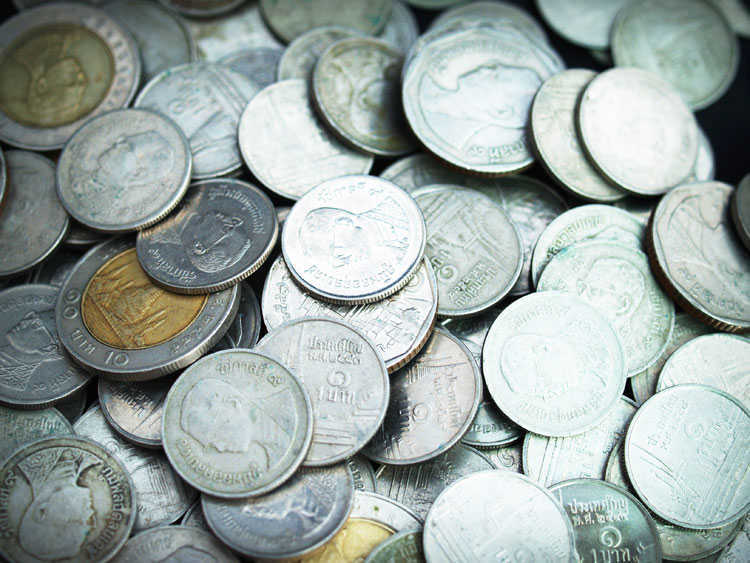
Thailand’s currency is the Thai baht, written as THB or ฿. One baht is divided into 100 satang.
Banknotes commonly used are 20, 50, 100, 500 and 1,000 baht. Coins include 1, 2, 5 and 10 baht, along with 25-satang and 50-satang coins.
Cash is still widely used, particularly at markets, small restaurants, local transport and independent businesses. Credit and debit cards are accepted at most hotels, shopping centres and larger businesses.
- ATMs are widely available, although foreign cards usually attract a local withdrawal fee.
- Tell your bank that you will be travelling before using your card overseas.
- Use established banks or licensed money changers when exchanging cash.
- Count your money before leaving the exchange counter.
- Keep some smaller notes for taxis, markets and local shops.
- When a card terminal offers to charge you in your home currency, check the exchange rate before accepting.
Travellers’ cheques are no longer a practical option for most visitors.
Tipping
Tipping is appreciated but is not required in the same way as it is in some countries. Some hotels and restaurants add a service charge. Leaving a small tip for good service is always welcome.
Bargaining
Bargaining is common at some markets and small souvenir shops, but not at supermarkets, shopping centres, convenience stores or businesses displaying fixed prices. Keep it friendly and accept that not every price is negotiable.
Phones and Internet
Thailand’s country telephone code is +66. When calling a Thai number from overseas, remove the first zero from the area or mobile code.
Mobile coverage and internet access are generally good in cities, towns and tourist areas. Tourist SIM cards and eSIMs are available from the main mobile providers. SIM registration normally requires your passport.
Free Wi-Fi is common in hotels, cafés and restaurants. Avoid accessing banking or other sensitive accounts through unsecured public Wi-Fi unless you are using a secure connection.
What to Wear
Lightweight clothing is most comfortable in Thailand’s tropical climate. A light jacket can be useful in air-conditioned buildings and in northern Thailand during cooler winter mornings.
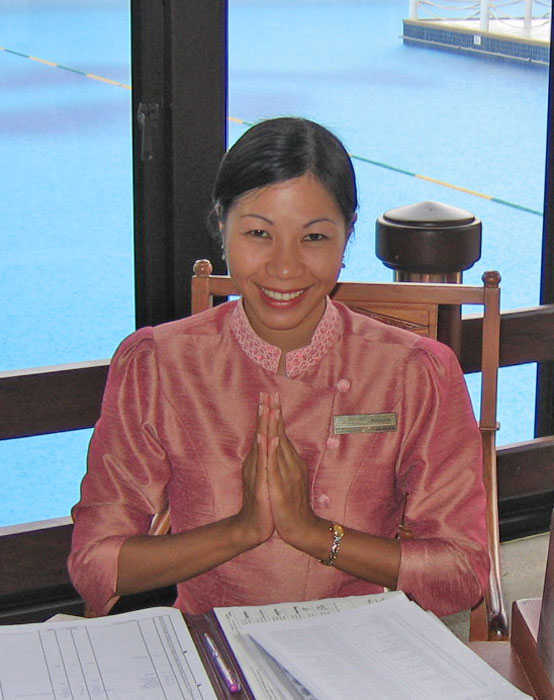
When visiting temples, religious sites and some government buildings, wear clothing that covers the shoulders and knees. Remove shoes before entering temple buildings or private homes when requested.
Swimwear is suitable for the beach or swimming pool but not for shops, restaurants, temples or walking around town. Topless or nude sunbathing is not culturally acceptable.
Sun protection is important throughout the year. A hat, sunscreen and drinking water are particularly useful when walking or spending time on the beach.
Thai Customs and Etiquette
Thai people are generally patient with visitors who are unfamiliar with local customs. Showing respect and remaining calm will make communication easier.
- Respect the monarchy: Thailand has strict laws concerning the monarchy.
- Respect religion: behave quietly at temples and do not climb on Buddha images or religious monuments.
- Remove your shoes: do so before entering homes and any buildings where shoes have been left at the entrance.
- Avoid touching people’s heads: the head is traditionally considered the highest part of the body.
- Be careful with your feet: do not point your feet at people, Buddha images or sacred objects.
- Keep calm: shouting or becoming aggressive rarely helps resolve a problem.
- Ask before photographing people closely: particularly monks, children and people taking part in religious ceremonies.
Learn more in our guide to Thai culture and behaviour.
Getting Around Thailand
Thailand has domestic flights, trains, long-distance buses, local buses, taxis, tuk-tuks, ferries and app-based transport services. Availability varies considerably between Bangkok, Phuket and smaller towns.
Use the meter in metered taxis where available, or agree on the fare before beginning a journey. Transport apps can be useful because the destination and estimated fare are shown in advance.
Motorcycles and Scooters
Motorcycle accidents are one of the greatest risks for visitors to Thailand. Roads can be busy, road surfaces vary and local traffic may behave differently from what you are used to.
- Wear a properly fitted helmet.
- Make sure your licence is valid for riding a motorcycle in Thailand.
- Carry the correct International Driving Permit if required.
- Check that your travel insurance covers motorcycle riding.
- Inspect and photograph a rental motorcycle before leaving the shop.
- Do not leave your passport as security if another reasonable deposit is accepted.
- Never ride after drinking alcohol.
 The local bus, known as a songthaew
Safety and the Law
Most visits to Thailand are trouble-free, but normal travel precautions still apply. Keep an eye on your belongings in crowded areas, markets, buses, festivals and transport terminals.
- Keep your passport, spare cards and excess cash secured at your accommodation.
- Use registered transport or recognised transport apps where possible.
- Watch your drink and do not accept food, drinks or packages from strangers.
- Choose established companies for boat trips, diving and adventure activities.
- Check weather and sea conditions before taking a boat or entering the water.
- Follow beach warning flags and lifeguard instructions.
- Do not drink and drive.
Thai laws may be different from those in your home country. Penalties for drugs, theft, assault, visa overstays and offences involving the monarchy can be severe.
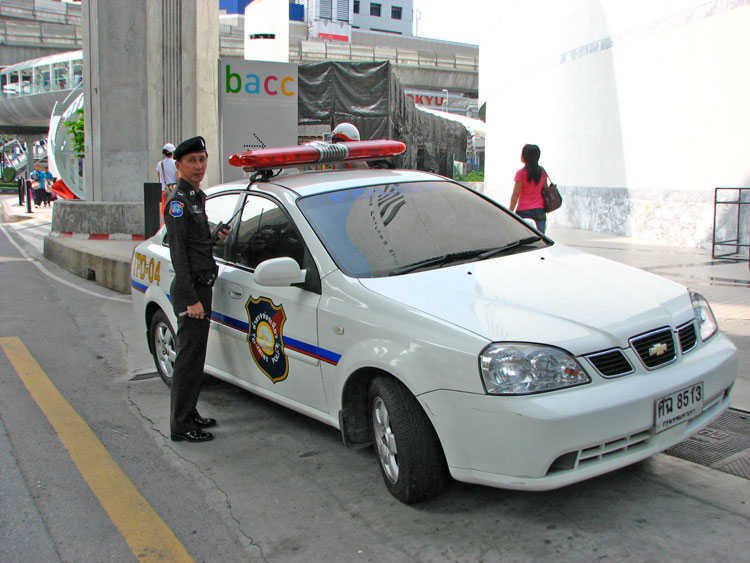
Carry identification or a copy of your passport details and entry record. If you encounter a problem, remain calm and contact the Tourist Police on 1155.
Health and Drinking Water
Thailand has good private hospitals in Bangkok, Phuket and other major cities. Medical care can be expensive, so comprehensive travel insurance is strongly recommended.
Speak with a doctor or travel health clinic before travelling, particularly if you have an existing condition, take regular medication or plan to visit remote areas.
- Bring enough prescribed medication for your trip in its original packaging.
- Carry a copy of your prescription or a letter from your doctor.
- Use mosquito repellent, particularly around dawn and dusk.
- Avoid touching monkeys, dogs and other animals because rabies is present in Thailand.
- Seek medical advice promptly after any animal bite or scratch.
- Use sunscreen and drink plenty of water in hot weather.
A yellow-fever vaccination certificate may be required if you are arriving from or have recently travelled through a country designated as a yellow-fever risk area.
Drinking Water
Tap water is not generally recommended for drinking. Sealed bottled water and filtered drinking water are widely available. Ice served by established restaurants and hotels is usually made commercially from treated water.
See our guide to Thai food and drinks.

Electricity
Thailand’s electricity supply is approximately 230 volts at 50Hz. Several socket types are used, commonly accepting two flat pins, two round pins or a combination of both.
Many modern phone and laptop chargers accept 100–240V, but check the label on your equipment before connecting it. A universal travel adapter is useful.
Power cuts and surges occasionally occur, particularly during storms. Surge protection can be worthwhile for expensive electronic equipment.
Airports
Bangkok has two main airports. Suvarnabhumi Airport (BKK) handles most long-distance international flights, while Don Mueang Airport (DMK) is used by many domestic and regional airlines.
The airports are on different sides of Bangkok. If you have a connecting flight departing from the other airport, allow plenty of time for immigration, baggage collection, traffic and check-in.
Phuket International Airport (HKT) serves Phuket and nearby areas including Phang Nga and Khao Lak. Taxis, minibuses, buses and app-based transport may be available, although services and pick-up locations can change.
Passenger service charges are normally included in the airline ticket, so there is generally no separate departure tax to pay at the airport.

Postal and Delivery Services
Thailand Post has branches throughout the country and offers domestic mail, international mail, registered post and Express Mail Service. Opening hours vary between branches.
For valuable or important items, use a tracked service and keep the receipt. Private courier companies are also available in major towns and tourist areas.
Current services, branch locations and postal charges can be checked on the Thailand Post website.

Public Holidays and Festivals
Thailand has national, religious and royal holidays throughout the year. Dates for Buddhist holidays follow the lunar calendar and change annually. Substitute holidays may also be added when a public holiday falls on a weekend.
Government offices, immigration offices and banks may close on public holidays. Some shops and tourist businesses remain open, although their hours may change.
- New Year: 1 January
- Songkran: the main Thai New Year holiday is normally 13–15 April
- Coronation Day: 4 May
- Queen Suthida’s Birthday: 3 June
- King Vajiralongkorn’s Birthday: 28 July
- Queen Sirikit’s Birthday and Mother’s Day: 12 August
- King Bhumibol Memorial Day: 13 October
- Chulalongkorn Day: 23 October
- King Bhumibol’s Birthday, National Day and Father’s Day: 5 December
- Constitution Day: 10 December
- New Year’s Eve: 31 December
Other important events include Makha Bucha, Visakha Bucha, Asanha Bucha, Buddhist Lent, the Phuket Vegetarian Festival and Loy Krathong. Check the current year’s dates before making travel arrangements.
See our guide to festivals in Thailand.
 Thai New Year celebrations during Songkran
Emergency Numbers in Thailand
- Police emergency: 191
- Tourist Police: 1155
- Medical emergency and ambulance: 1669
- Fire: 199
- Highway Police: 1193
The Tourist Police can assist visitors in English and may help with reporting theft, scams, lost property and other problems. In a serious emergency, contact your travel insurer and your country’s embassy or consulate as soon as possible.
Information checked September 2026: Immigration rules, customs regulations, public holidays and local laws can change. Always confirm important requirements with the relevant Thai authority before travelling.